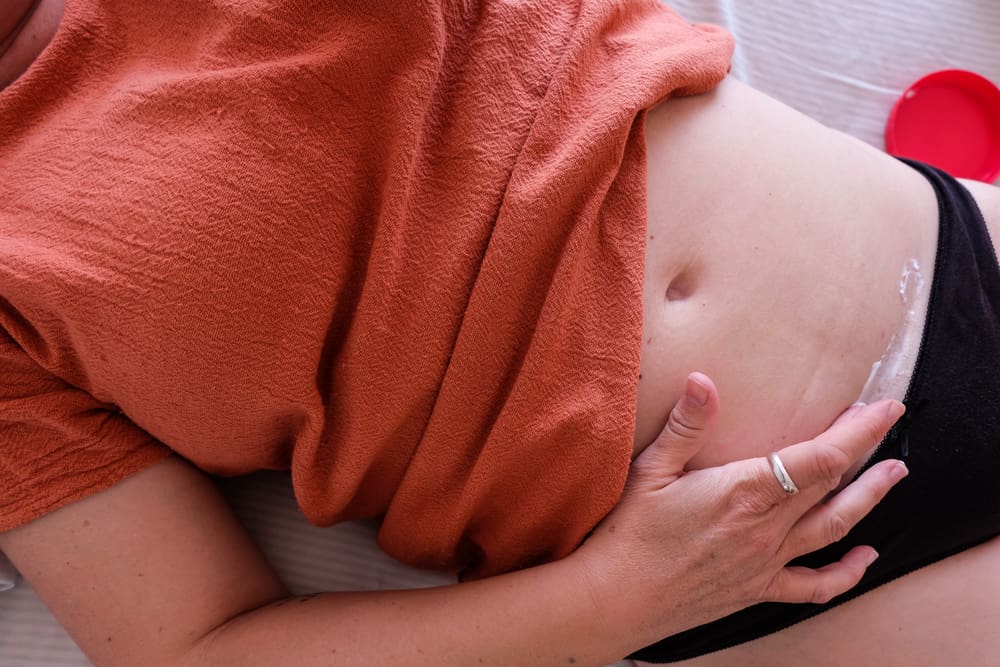
How to keep a C-Section Incision dry when Overweight

The first time you really look at your c-section scar in the mirror, it can feel a little surreal. You grew a baby. You went through surgery. Now your job is to give that incision the gentle, boring care it needs to close up cleanly.
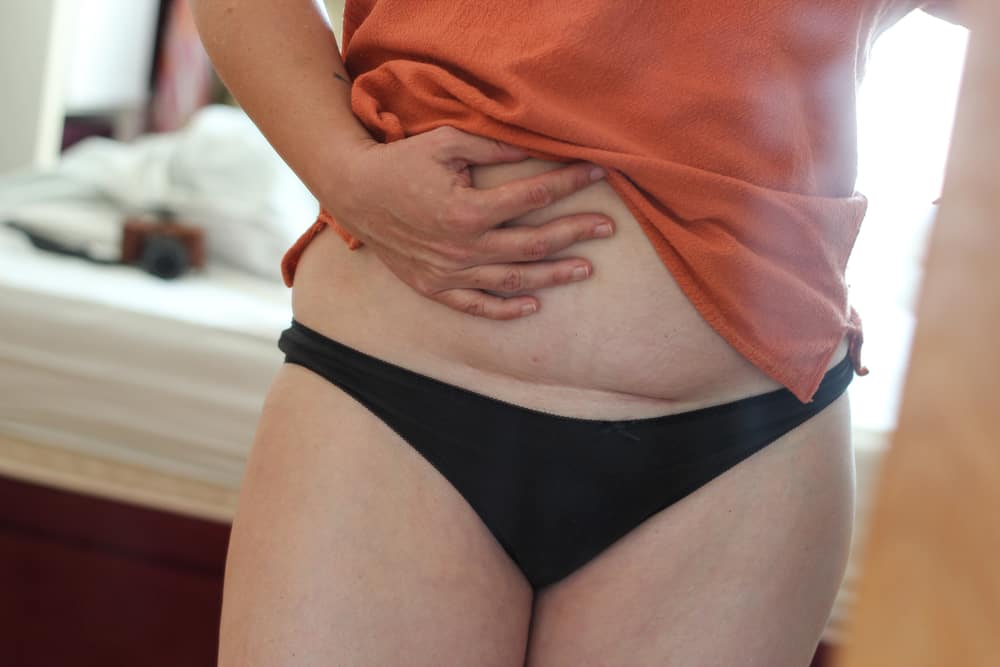
If you carry extra weight around your middle, mama, you already know the scar lives in a warm, tucked-away spot where skin folds meet. That's exactly the kind of place moisture loves, and moisture is what makes wound care harder. The good news is that a few small daily habits make a real difference.
Let's walk through what to do, what to watch for, and when to call your care team.
Why does keeping a c-section incision dry matter so much?
A clean, dry incision heals faster and is far less likely to get infected. Surgical-site infections happen in roughly 3 to 15% of c-sections (NIH / PubMed, 2014), and that risk runs higher when the scar sits under a skin fold where sweat and friction build up. Dry skin simply gives bacteria less to work with.
A cesarean is major abdominal surgery, and your incision is a fresh line through several layers of tissue. The Mayo Clinic recommends watching for redness, swelling, leaking fluid, or fever while the wound heals.
Extra tissue around the abdomen, which is completely normal after pregnancy, can trap warmth and moisture against the scar line. That's not a judgment about your body; it's a practical reason to be a little more deliberate with wound care. Think of it as protecting the work your surgeon did so you can get back to your baby.
For a deeper look at what to watch for, our guide on signs of internal infection after a c-section covers the full red-flag list.
What are the best ways to keep the incision dry at home?
Start with the basics: keep the area clean, pat (never rub) it dry after showering, and give it air whenever you can. The American College of Obstetricians and Gynecologists advises gentle daily cleaning with mild soap and water, then patting dry. Skip scented products, hot baths, and swimming pools until your provider clears you.
Here are the small, repeatable habits that make the biggest difference.
Wear soft cotton, high-waisted underwear
This is not the time for a cute thong. Go for full-coverage cotton briefs that sit at your natural waist, well above the incision. Soft cotton breathes and wicks up moisture; synthetic lace traps it.
Loose drawstring pants, stretchy dresses, or a roomy cotton nightgown also help. If waistbands land right on your scar, size up for a few weeks. Comfort is the whole goal here.
Our guide on what to wear after a c-section has more specific outfit ideas for the first six weeks.
Tuck a clean pad along the scar
A thin cotton sanitary pad, cut to length if needed, works beautifully to catch sweat where the skin fold meets the scar. Sticky side to your underwear, soft side to the incision.
Some mothers use a clean, folded cotton handkerchief or a soft cotton cloth diaper the same way. Whatever you choose, swap it out whenever it feels damp or at least two to three times a day. A dry barrier protects a dry scar.
Air-dry the area (when your provider gives the green light)
Once a day, if your care team says it's safe, lie back with the incision uncovered for five to ten minutes. Fresh air helps any lingering moisture evaporate.
If you have a partner around, they can very gently hold the skin fold up so the scar is fully exposed. Please don't tape your belly up, and don't use heat. A hairdryer on the lowest cool setting, held well away from the skin, is all the airflow you need. A desk fan pointed across the bed works too.
Take the six-week rest seriously
Yes, we know, a newborn does not care about your surgical timeline. Still, heavy lifting, deep squats, and long days on your feet pump sweat right into the scar line. The Mayo Clinic suggests avoiding lifting anything heavier than your baby for the first 6 weeks.
Nap when you can, accept every offer of help, and let the laundry pile up. Your body is doing the real work. For more on pacing your recovery, see our guide on pain after a c-section.
When can I shower, and when can I take a bath?
Most providers okay a gentle shower within 24 to 48 hours after a c-section, as long as you don't scrub the scar and you pat it dry afterward. That first shower at home can feel nerve-wracking, mama. Keep the water warm (not hot), let it run over the scar without direct spray, and have a clean towel ready. Baths are different. ACOG and most hospital discharge sheets recommend waiting until the incision has fully closed, usually around 3 weeks, before soaking.
Warm baths are wonderful later on. Too early, though, and water can soften the scar line before the deeper layers have knit together. When you're ready, keep soaks under 20 minutes and dry the area thoroughly afterward.
For the full bathing timeline (including stitches, glue, and steri-strips), see our guide on when you can take a bath after a c-section.
What warning signs mean it's time to call my doctor?
Most wound infections show up between day 4 and day 7 after surgery, which is often right after you get home. The Mayo Clinic says to contact your provider if the wound is red, swollen, or leaking fluid, or if you have a fever.
Call your care team promptly if you notice any of these:
- A fever above 100.4°F (38°C)
- Spreading redness, warmth, or tenderness around the scar
- Pus, foul-smelling drainage, or clear fluid that keeps coming back
- The incision opening or separating at any point
- Sudden, sharp, or worsening belly pain
- Heavy vaginal bleeding that soaks a pad in an hour
Trust your gut, mama. If something feels off, please call. Postpartum wound questions are exactly what your provider's nurse line is for, and it's always one of those "better to ask" situations.
Does a higher BMI really raise infection risk, or is my doctor just being cautious?
Carrying extra weight does modestly raise the risk of a surgical-site infection after a cesarean, which is why your care team pays close attention. One PubMed-indexed study of postpartum infection rates (NIH / PubMed, 2014) found that women with a higher BMI had elevated rates of post-cesarean infection compared with women at lower weights. That's a medical fact, not a verdict on you.
The reason is mechanical, not moral. Skin folds trap moisture and warmth, deeper tissue layers take longer to close, and diabetes (which runs higher with a higher BMI) can slow healing. None of that changes who you are as a mother. It just means moisture control, follow-up visits, and quick calls to your provider at the first red flag matter a little more.
A gentle reminder
You just had major surgery. You are also feeding a newborn, running on broken sleep, and doing the biggest job of your life. If wound care slips one day, it's not a failure; start fresh the next morning.
Dry underwear, a clean pad, a little air, and plenty of rest. That's really the whole playbook. Call your provider for anything that worries you, and know that your incision will heal. One quiet, patient day at a time.
This article is for informational purposes only and is not a substitute for professional medical advice. Always consult your healthcare provider, obstetrician, or midwife for wound-care guidance specific to your recovery.