Pregnancy
10 Interesting Facts About Baby Kicks During Pregnancy
Most moms feel their first baby kicks between weeks 16 and 25, and babies are often most active in the evening. Here's what every flutter really means.


Everything about pregnancy - from trying to conceive to delivery.
Most moms feel their first baby kicks between weeks 16 and 25, and babies are often most active in the evening. Here's what every flutter really means.
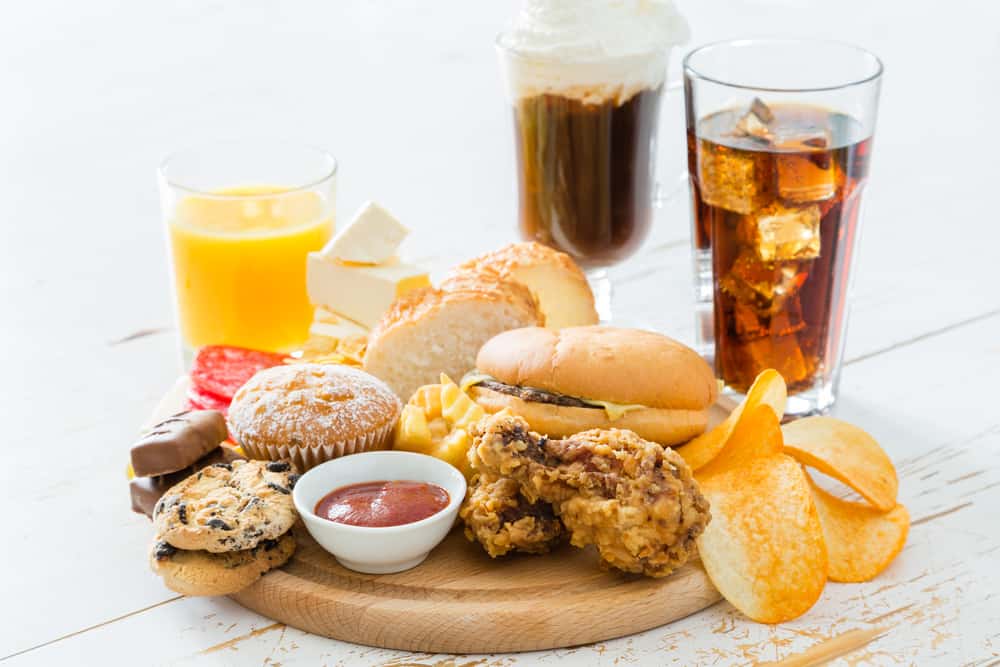
Avoid high-mercury fish, raw meat and eggs, soft cheese, unpasteurized dairy, and deli salads during pregnancy. Limit caffeine to under 200 mg daily.
Most providers advise against self-checks for infection risk. If you still want to try, here's the step-by-step and the 76% purple line method.
Kicks between contractions usually mean baby is awake and healthy. Here's what's normal during labor and the rhythmic or frantic patterns that warrant a call.
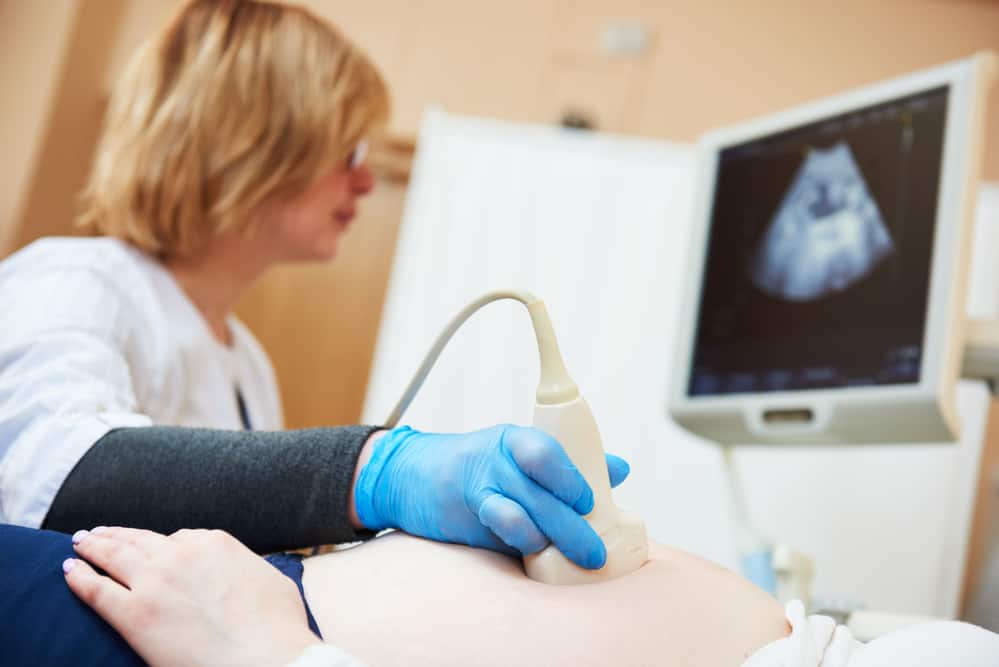
A fetal heartbeat can seem to disappear and then reappear if the baby moves, your dates are off, or the doppler misses it. Here's when it's error vs. loss.

Babies typically learn to stand on their head between 14 and 16 months. It's a safe milestone that builds core strength and balance, not a warning sign.
Most urine tests turn reliable about a day after a missed period, but your body often gives quiet clues earlier. Here are 15 early pregnancy signs, mama.
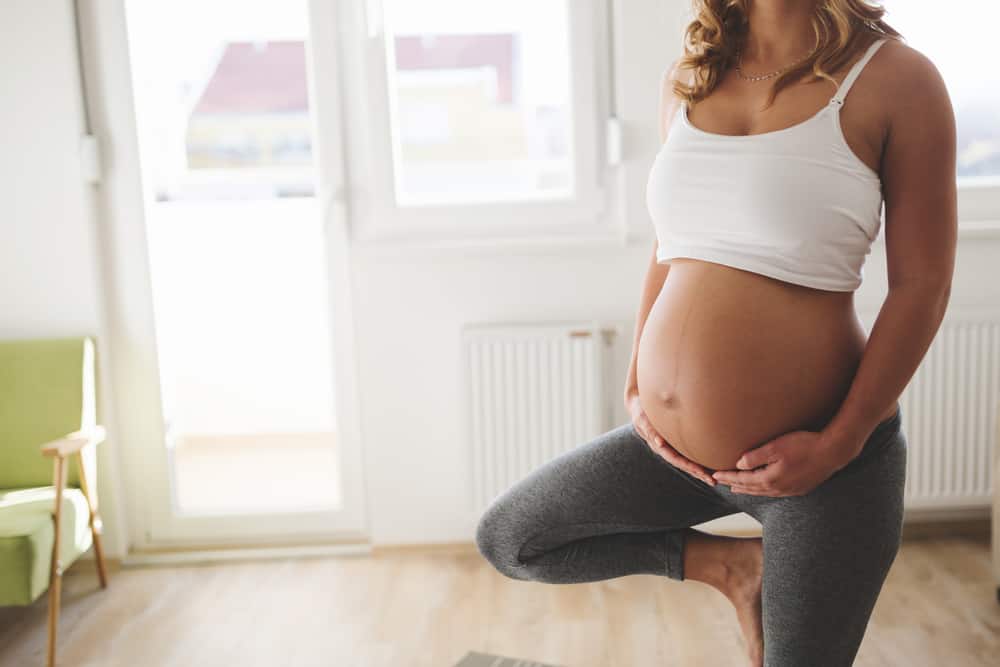
Jumping rope is usually safe in a low-risk pregnancy with provider clearance. ACOG recommends 150 minutes of moderate activity weekly. Know when to stop.

Electric massagers are generally safe in the 2nd and 3rd trimesters on shoulders, neck, and upper back. Skip the belly, lower back, hips, and legs.
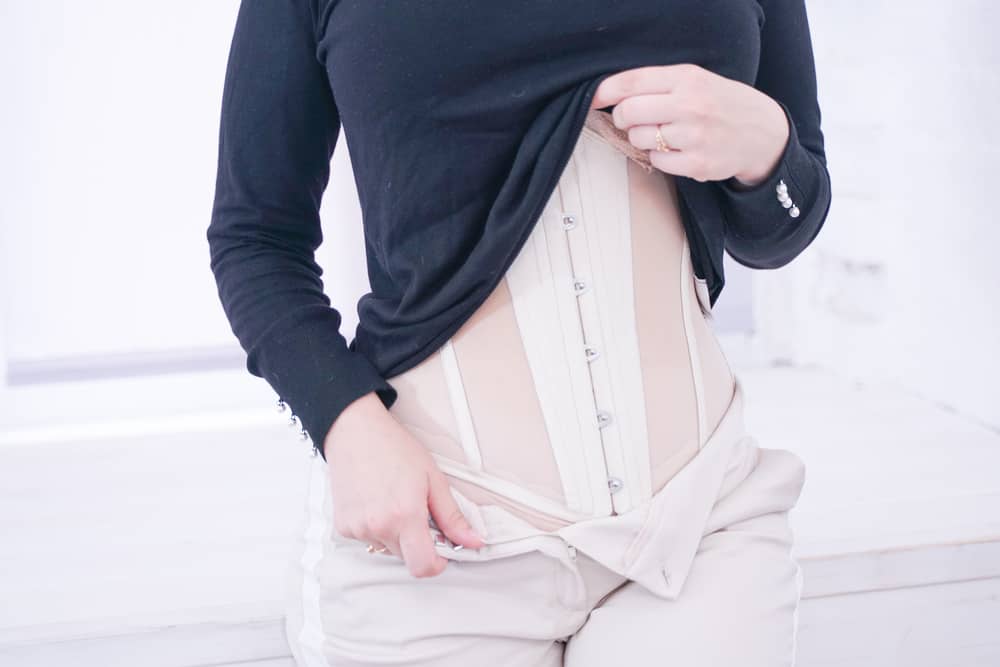
Wearing a waist trainer while pregnant is never safe. Cinchers cut lung capacity by 30 to 60%, trigger reflux, and restrict your uterus during pregnancy.
Early labor can last hours to weeks, so knowing the signs helps you stay home until it's time. Here are 20 early labor signs ranked from most to least common.
Losing your mucus plug doesn't mean imminent labor. Here are 8 evidence-based ways to speed things up, from walking and dates to nipple stimulation and sex.
You can safely suck in your stomach for a few seconds while pregnant, but holding it strains your diaphragm, pelvic floor, and back. Brief is fine, mama.
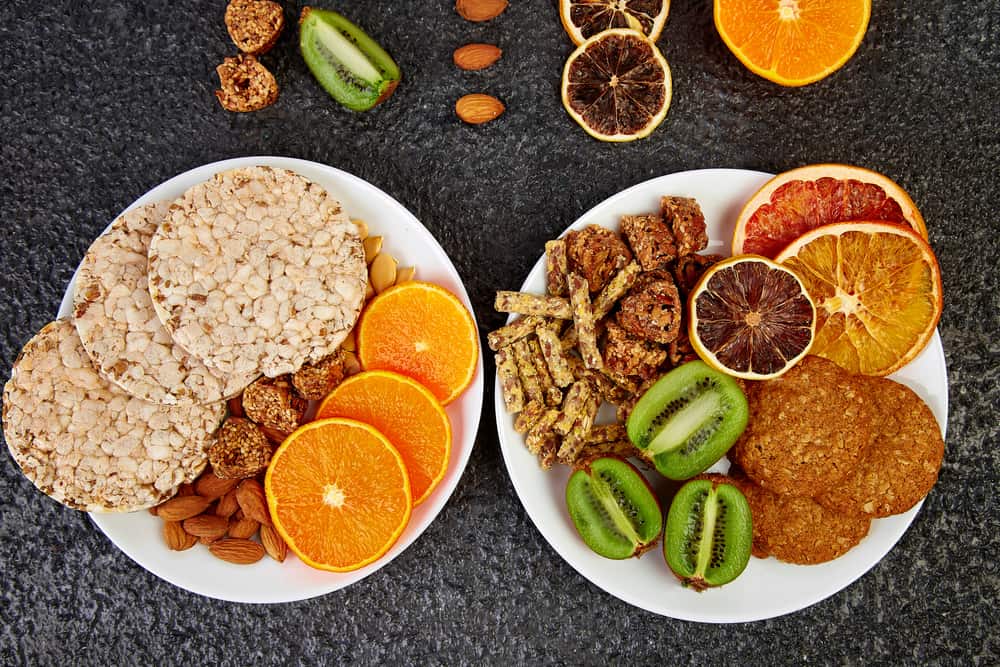
Pack small, non-perishable, one-hand snacks for your hospital bag. Granola bars, trail mix, applesauce pouches, honey sticks, and rice cakes work well.
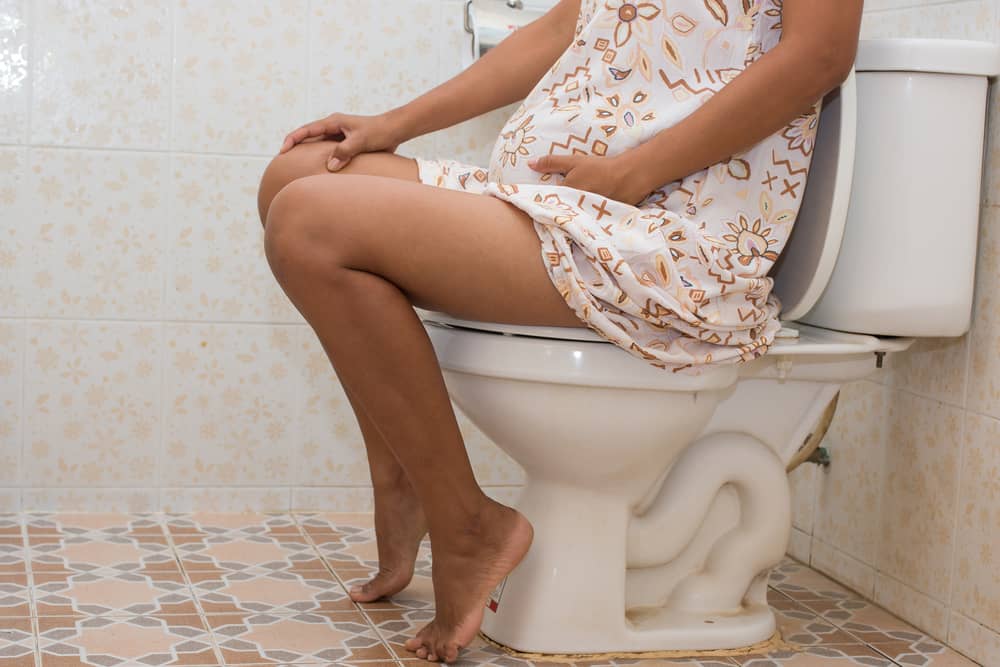
Loose bowels can mean labor is 24 to 48 hours away, but only about 4% of women get gastrointestinal symptoms before delivery. Here's what's really going on.
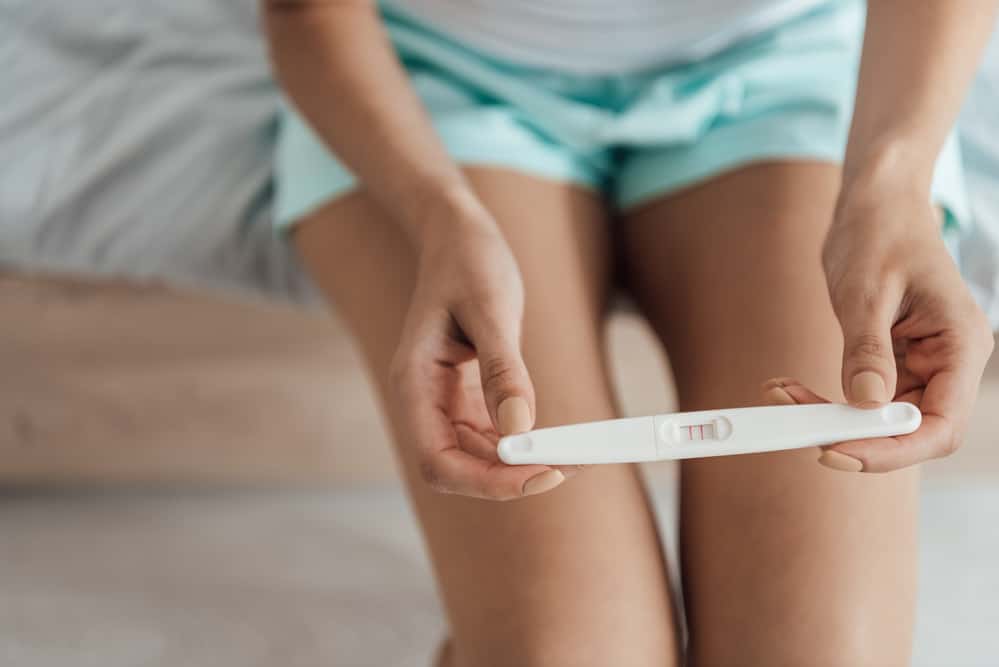
Yes, a severe UTI can occasionally cause a false positive pregnancy test by raising hCG levels. But home pregnancy tests are 98-99% accurate when used correctly.
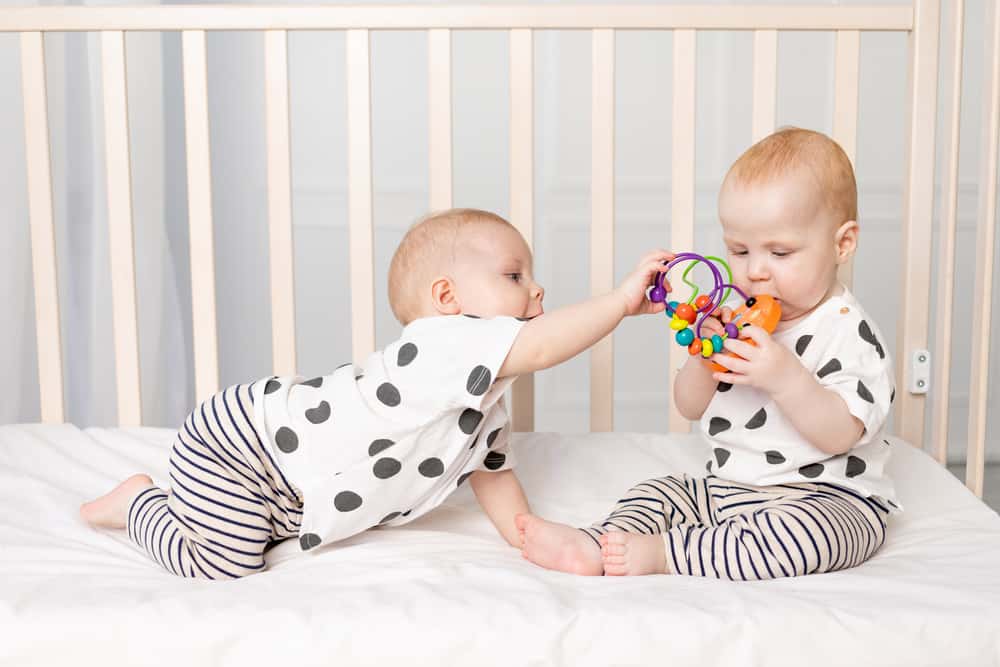
Twins can cause a false negative pregnancy test through the high-dose hook effect, but this is rare. False negatives overall happen less than 1% of the time.
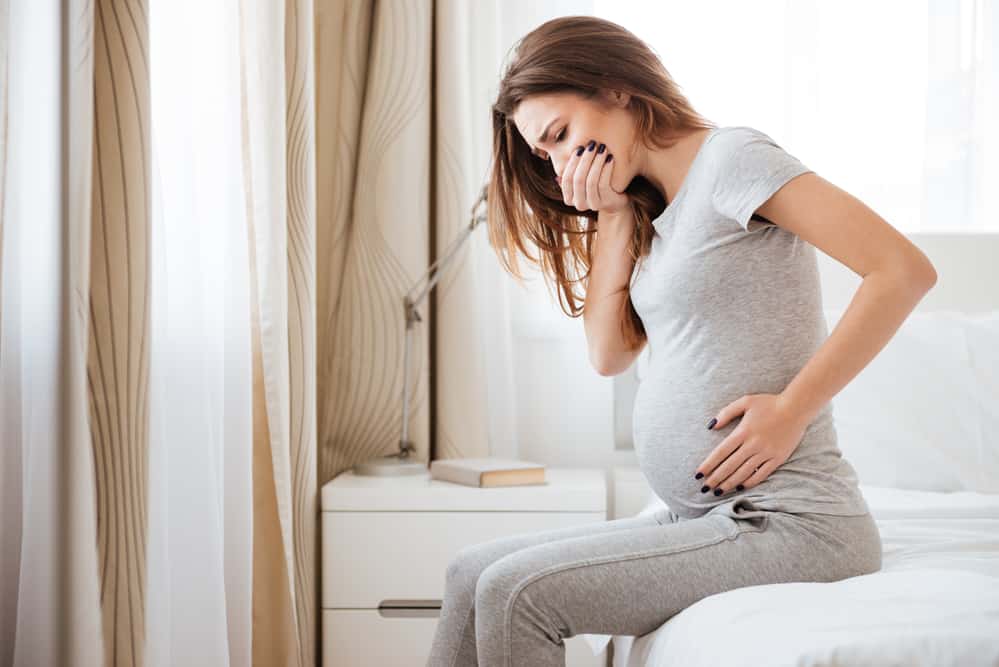
Nausea can precede labor by 24 to 48 hours, especially with diarrhea and mucus plug loss. But 16% of third-trimester women feel nauseous from pressure alone, not labor.

A warm bath won't reliably induce labor, but it may ease pain and relaxation at the end of pregnancy. Here's what science says and what to try instead.
Feeling a heartbeat in your stomach can signal pregnancy, since blood volume rises 50% by the second trimester. But eating, dehydration, and lying down cause it too.
Brown discharge at 7 weeks is usually old blood or a tender cervix, not a miscarriage. First-trimester spotting happens in 15 to 25% of pregnancies, mama.
Formula-feeding moms usually get their first period 6-12 weeks after delivery. Breastfeeding delays it. Thyroid, PCOS, stress, or Asherman syndrome can also pause cycles.
Colostrum starts around 16 weeks, but most providers wait until 36 to 37 weeks to hand-express. Nipple stimulation releases oxytocin, which can trigger contractions.
C-section vs. vaginal birth compared: maternal death rates (0.013% vs 0.004%), recovery time, pain, breastfeeding success, and long-term effects on your baby's health.
Mother-to-mother guide to labor induction: eat light, hydrate, shower, sleep. About 1 in 4 U.S. births starts with an induction. Skip shaving, caffeine, castor oil.
Kicks under your ribs mean baby is head-down in the ideal occiput anterior position. Kicks lower or one-sided can signal breech or transverse positions.
Ease pregnancy hot flashes with water (8 to 10 glasses a day), cotton or linen clothing, cool rooms, and fans. Keep caffeine under 200 mg daily.