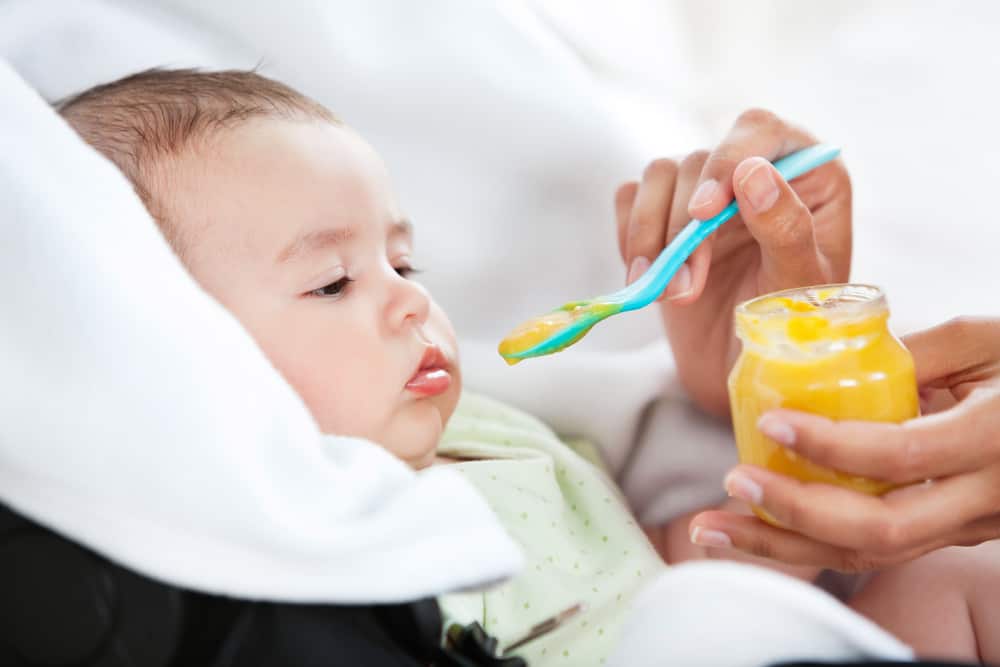
Why Does My Baby Fight the Bottle but Is Hungry?

It's one of the most confusing moments in early parenthood. Your baby is clearly hungry, rooting, fussing, acting frantic, and yet the bottle gets pushed right back out. We know, mama. It's stressful.
The good news: there's usually a reason, and most of the time it's fixable. Around 25% of parents report some feeding-related problem at some point during their child's development (NIH / NCBI). You are really not alone on this.
Let's walk through the most common causes, the simple fixes that usually work, and the red flags that mean it's time for a call to the pediatrician.
Why does my baby fight the bottle but act hungry?
Bottle refusal in a hungry baby is almost always about discomfort or a mismatch between the bottle and your baby's needs. The AAP notes that feeding difficulties are common in young babies and often resolve with small adjustments to position, flow, or timing (AAP / HealthyChildren.org). The trick is figuring out which small thing is tripping up your little one.
Here are the usual culprits, starting with the simplest.
An uncomfortable feeding position
If your baby doesn't like the hold you're offering, no bottle is going to work. Some babies prefer a more upright, semi-reclined angle rather than lying flat.
The AAP recommends holding your baby in a semi-upright position during bottle feeds, with the bottle tilted just enough that the nipple stays full of milk (AAP / HealthyChildren.org). That angle helps with swallowing and cuts down on air intake.
If your baby arches, squirms, or pulls off as soon as you try to feed, try a different hold before assuming something bigger is wrong.
You just finished weaning from the breast
Breastfed babies often resist their first bottles. They're used to your skin, your smell, and a very different flow.
La Leche League suggests trying paced bottle feeding, where the bottle is held horizontally and the baby controls the pace with active sucking, to mimic the rhythm of the breast (La Leche League International). Warm the milk to body temperature. Let someone other than you offer the first few bottles so your baby isn't expecting the breast.
It can take a week or two. Patience pays off here.
The nipple flow is wrong for your baby's age
Nipples come in different flow rates: slow, medium, fast, and variable. The right flow changes as your baby grows.
If milk drips out too fast, your baby may pull off, gag, or sputter. If it's too slow, they'll work hard, get tired, and give up hungry. La Leche League recommends a slow-flow nipple for most breastfed babies taking the occasional bottle, to keep the pace closer to nursing (La Leche League International).
Test the flow yourself: hold the bottle upside down and count the drops. One drop per second is a reasonable slow flow.
The formula isn't sitting well
If you're formula feeding, the specific brand or type could be upsetting your baby's tummy. Babies quickly learn to associate a particular milk with how they feel afterward, and a gassy, fussy baby may refuse the next bottle.
About 2 to 3% of babies have a cow's milk protein allergy or intolerance (AAP / HealthyChildren.org). Symptoms include vomiting, diarrhea, rash, blood in the stool, excessive gas, or feeding refusal. If you suspect a reaction, don't switch formulas on your own. Call your pediatrician for guidance on which hypoallergenic or extensively hydrolyzed formula is appropriate.
Your baby is sick, teething, or has an ear infection
When your baby feels rotten, eating loses its appeal. A cold, a fever, a sore throat, or a tooth pushing through the gums can all tank bottle interest.
The AAP lists teething signs as gum rubbing, drooling, a mild low-grade temperature, and temporary fussiness around feeding (AAP / HealthyChildren.org). Ear infections often show up as feeding refusal because sucking and swallowing increase ear pressure and pain.
If refusal is new and pairs with fever, tugging at the ear, or unusual fussiness, a same-day pediatrician visit is the right call.
The milk is too hot or too cold
Some babies are picky about temperature. Body temperature, around 98°F to 100°F, is what most babies prefer since that's what breastmilk naturally is.
The CDC advises never microwaving breastmilk or formula (hot spots can burn your baby's mouth) and instead warming the sealed bottle in a bowl of warm water or under running warm tap water (CDC). Always test a drop on the inside of your wrist before offering.
Too cold? Warm it up a little. Too hot? Let it cool. Simple.
Reflux or colic is making feeds miserable
Gastroesophageal reflux is very common in babies. Most infants spit up, but some experience pain with feeds, arching, crying, and bottle refusal.
Colic, the name for extended unexplained crying in an otherwise healthy baby, typically peaks around 6 weeks and resolves by 3 to 4 months in most babies (AAP / HealthyChildren.org). Colicky babies often fuss at the bottle even when hungry.
If you suspect reflux or colic, talk to your pediatrician. Sometimes paced feeding, smaller more frequent bottles, and keeping baby upright for 20 to 30 minutes after feeds makes a real difference. Our guide on baby spitting up clear liquid walks through what's normal and what's not.
How can I get my baby to take the bottle?
Once you've ruled out illness and allergy, the fixes come down to small, repeatable tweaks. The AAP recommends responsive feeding, reading your baby's cues, following their pace, and stopping when they show signs of being done, as the foundation for a healthy feeding relationship (AAP / HealthyChildren.org).
Here's what tends to work.
1. Make sure hunger is actually the issue
This sounds obvious, but it's the one step most of us skip. Babies fuss for many reasons: boredom, tiredness, a dirty diaper, overstimulation. Not all fussing is hunger.
Hunger cues include rooting, hand-to-mouth, lip smacking, and light fussing. Late cues like frantic crying often come after the window has closed and a too-hungry baby becomes a harder-to-feed baby. If the bottle is refused, wait 15 to 20 minutes and try again with a calmer baby.
2. Experiment with nipples and bottles
Not all nipples feel the same. Latex versus silicone, wide base versus narrow, slow flow versus medium. Some brands design a nipple that more closely mimics the feel of the breast.
It may take two or three tries to find your baby's preference. Don't bulk-buy one brand until you know.
3. Try paced bottle feeding
Paced bottle feeding slows the whole feed down and lets your baby control the rhythm. Hold the bottle horizontally, with just the tip of the nipple in the mouth. Pause every few sucks. Let your baby take breaks.
La Leche League describes paced feeding as the closest approximation to breastfeeding at a bottle (La Leche League International). For breastfed babies resisting the bottle, this technique alone often turns things around.
4. Slowly transition from breast to bottle
Cold-turkey weaning rarely works. Gradually replace one feed at a time with a bottle, usually starting with a mid-day feed when your baby is calm and mildly hungry but not ravenous.
Have someone else offer the first bottles. Your baby associates you with the breast, and in your arms, they may hold out for what they prefer. A partner, grandparent, or caregiver often has better luck. For the feeding-routine side of the puzzle, is it ok to put a baby to sleep without burping covers a related night-feed question.
5. Warm the milk to body temperature
Breastfed babies especially tend to prefer warm milk. Use a bottle warmer, or set the sealed bottle in a bowl of warm water for a few minutes. Test a drop on your wrist before offering.
The CDC advises against microwaving, since hot spots can burn your baby's mouth (CDC).
6. Cut distractions
Babies get distracted easily, especially around 4 to 6 months when the world gets interesting. Turn off the TV. Dim the lights. Find a quiet corner.
A focused baby is a feeding baby. This tiny environmental shift helps more than you'd think.
7. Keep feeding windows consistent
A haphazard schedule makes hunger cues harder to read for you and your baby. The AAP suggests most babies do well on a roughly 2 to 4 hour feeding rhythm in the first few months, with longer stretches as they grow (AAP / HealthyChildren.org).
You don't need a stopwatch. Just a loose rhythm so your baby's body learns when food is coming.
8. Stay calm
Your baby reads your energy. If you're tense, frustrated, or anxious, that radiates straight into the feed. Take a breath. Put the bottle down for a moment if you need to. Walk it off.
If you're solo and losing it, it's okay to step away for a minute in a safe spot and come back when you've reset. A crying baby in a crib for 60 seconds is safer than a parent pushed past their limit. Our guide on can babies die from crying too long has the reassurance on that one.
When should I call my pediatrician about bottle refusal?
Occasional bottle refusal is normal. Persistent refusal, especially paired with other symptoms, is a reason to reach out. The AAP recommends calling your provider if feeding problems last more than a few days, if wet diapers drop below 6 per day, or if your baby isn't gaining weight (AAP / HealthyChildren.org).
Specific signs that deserve a same-day call:
- Refusing most bottles for more than 24 to 48 hours
- Fewer than 6 wet diapers in a 24-hour period
- Fever, vomiting, or persistent diarrhea alongside refusal
- Blood or mucus in the stool
- Arching, screaming, or back-bending at every feed (possible reflux or milk protein allergy)
- Weight loss or flat growth on a recent weight check
- Tugging at one ear, especially with a cold
- Unusual lethargy or fewer alert periods
You know your baby best, mama. If your gut says something is off, trust it. A quick call is always the right move, and most pediatricians would rather field a "is this normal" question than miss an early ear infection or reflux issue.
For feeding puzzles that carry into the daycare season, our why is my baby not eating at daycare guide walks through what's typical there. And if you're worried about the other side of the coin, can you overfeed a newborn covers fullness cues and what overfeeding looks like.
FAQ
Why does my breastfed baby refuse the bottle from me but take it from dad?
Breastfed babies strongly associate you with the breast. In your arms, they may hold out for what they prefer rather than accept the substitute. La Leche League recommends having a partner or caregiver offer the bottle while you step out of the room, since your smell and voice can trigger rooting (La Leche League International). It's not personal. It's instinct.
How long can a baby go without eating before I should worry?
Newborns should feed every 2 to 3 hours, around 8 to 12 times in 24 hours (AAP / HealthyChildren.org). Older babies stretch to every 3 to 4 hours during the day. If your newborn goes more than 4 hours without a feed, or an older baby skips multiple feeds in a row, contact your pediatrician. Fewer than 6 wet diapers a day is another flag.
Could my baby have a milk allergy if they fight the bottle?
Possibly. About 2 to 3% of babies have a cow's milk protein allergy, which can show up as bottle refusal, vomiting, rash, blood in the stool, or colicky crying (AAP / HealthyChildren.org). Don't switch formulas on your own. Your pediatrician can guide you to the right hypoallergenic or extensively hydrolyzed formula if a protein allergy is suspected.
Does teething cause bottle refusal?
Yes, temporarily. Sore gums make sucking uncomfortable, and a teething baby may pull off the bottle or chew on the nipple instead. The AAP notes that teething symptoms, gum rubbing, drooling, mild fussiness, can disrupt feeds briefly (AAP / HealthyChildren.org). Offer cool milk, a chilled (not frozen) teething ring before feeds, and be patient. It usually passes within a few days per tooth.
Is it bad to make my baby "cry it out" with the bottle?
No, forcing a bottle doesn't teach a baby to take it. It teaches them that feeding feels stressful. The AAP supports responsive feeding: offer, follow cues, stop when your baby is done (AAP / HealthyChildren.org). If a bottle is rejected, pause and try again in 15 to 20 minutes. Pressure tends to make the next attempt harder, not easier.
The bottom line
A hungry baby fighting the bottle is frustrating, but it's almost always a solvable puzzle. Check the position, the flow, the temperature, and the formula. Try paced bottle feeding and a slower pace. Cut distractions and keep your feeding windows loose but predictable.
If bottle refusal becomes the norm, if wet diapers drop, or if you see signs of illness or allergy, call your pediatrician. That's your safest play.
Above all, remember the 25% stat: feeding problems are common, and most resolve with a small change. Your baby is not broken, and you are not failing. You're both learning each other.
You've got this, mama.
This article is for informational purposes only and is not a substitute for professional medical advice. Always consult your pediatrician or healthcare provider for guidance specific to your baby.