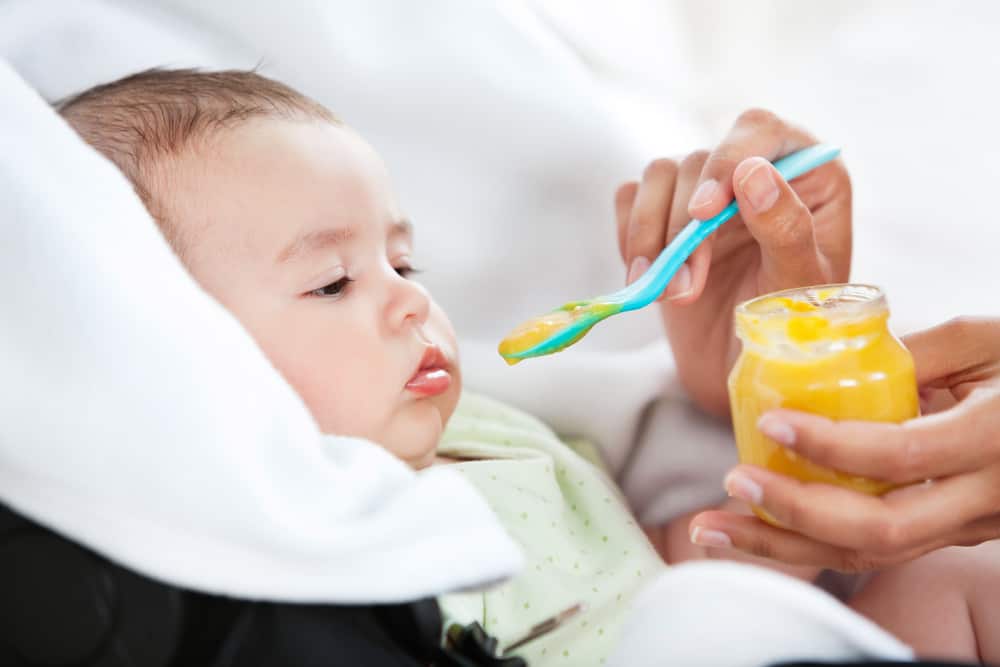
Why is my Baby not eating at Daycare? (and how to fix it)

You packed the cutest little lunch, and the daycare handed it back mostly untouched. Again. We know, mama: it stings.
Here's the reassuring part. Skipping meals at daycare is really common for babies and toddlers who are still getting used to a new room, new faces, and a whole new routine. Separation anxiety, in particular, peaks between 9 and 18 months and is a normal part of your baby's social development (HealthyChildren.org / AAP).
Let's walk through the most likely reasons your baby isn't eating at daycare, and the small fixes that usually get them back on track.
Why won't my baby eat at daycare?
Most of the time, it isn't the food. It's the transition. Babies and toddlers are wired to feel safest with their primary caregiver, and that sense of security shapes how freely they eat in a new space. Separation anxiety typically peaks between 9 and 18 months and often shows up as fussiness around meals and naps (HealthyChildren.org / AAP).
Once you know the usual culprits, the fixes get a lot simpler.
Separation anxiety
Up until now, meals have happened in your arms or your kitchen. You're the familiar face, the smell, the voice that makes everything feel safe.
At daycare, that anchor is gone for a few hours. The AAP describes separation anxiety as a healthy sign your baby is bonded to you, but it can temporarily dampen interest in food and naps (HealthyChildren.org / AAP).
One mama in our community recently shared that her 11-month-old barely touched his lunch for three weeks straight, then one Tuesday just started eating again like nothing had happened. Most kiddos settle within a few weeks. Some take a bit longer, and that's okay too.
Too much pressure at the table
When your baby won't eat, the instinct is to push: one more bite, just a little spoonful. It rarely works, and it often backfires.
The AAP's responsive feeding guidance is clear on this: caregivers decide what is offered, and the child decides how much to eat (HealthyChildren.org / AAP). Hovering, bargaining, or spoon-chasing tends to lock a small eater down even more.
Boredom with the menu
Daycare kitchens serve a lot of kids with different tastes. If your baby has been eating the same bite of pasta or cracker every day, mealtime can start to feel flat.
Offering the same food with a fresh twist, steamed instead of raw, cut into sticks instead of coins, helps nudge curiosity back.
Distraction from everything shiny
Toys, peers, bubbles, the class guinea pig. Daycare is stimulating, and that's the whole point.
A distracted toddler will skip the plate to chase the fun. This is normal, and it's why a calm, seated mealtime routine matters so much.
A new environment
New room, new smells, new high chair. Even the cup can be unfamiliar.
Mayo Clinic notes that young children often reject food simply because something about the meal feels new or different (Mayo Clinic). Bringing one or two familiar items from home (their water cup, a favorite spoon) can quietly smooth the ride.
Portions that feel huge
A big plate can be overwhelming to a toddler. So can a full bottle or sippy at the wrong moment.
Smaller portions with seconds available work better than a loaded plate. And too much juice, water, or milk right before lunch can fill a tiny tummy before the food ever shows up.
A possible medical reason
Sometimes a feeding dip is the first clue of a cold, teething pain, an ear infection, reflux, or constipation.
If the refusal is new, persistent, or paired with fever, vomiting, weight loss, or lethargy, call your pediatrician. That's your safest play, always. For more on baby feeding rhythms at the younger end, see can you overfeed a newborn.
How do I get my baby to eat at daycare?
Once you know the why, the fixes feel less like a battle and more like small adjustments. The AAP recommends responsive, pressure-free feeding combined with predictable meal and snack times as the foundation for healthy eating habits in young children (HealthyChildren.org / AAP).
Here are seven that tend to work.
1. Match daycare meal times to your home schedule
Kids thrive on routine. The CDC's positive parenting tips for toddlers recommend consistent daily schedules as a core way to help young children feel secure (CDC).
Ask your provider what time breakfast, lunch, and snack happen. Then mirror those windows on weekends and evenings, so your baby's hunger clock and the daycare clock are on the same page.
2. Drop the pressure (yours and theirs)
Your anxiety leaks through, even when you think you're hiding it (we know, working-mom guilt is real, mama). Kids are sharp little radars.
The AAP suggests offering food without commentary, no "just three more bites," no frowns when food gets pushed away (HealthyChildren.org / AAP). Let them self-feed. Let them stop when they stop. Seconds are always available.
3. Feed a solid meal before drop-off
Dropping off a baby with a full tummy takes the whole day's feeding pressure down a notch. If your little one doesn't eat much at daycare, at least they started the day fueled.
Pack easy extras in their lunch bag: cheese cubes, a banana, Greek yogurt, whole-grain crackers. Little comfort foods that travel well.
For more breakfast inspiration, our 15 healthy breakfast ideas for babies has ideas you can rotate through the week.
4. Trim the snacks
Crackers and puffs are the kryptonite of lunch. Some daycares snack heavily between meals, and a tummy filled with animal crackers at 10:45 has no room for pasta at 11:30.
Check the snack schedule with your provider. If it's heavy, ask whether snacks can move earlier or get smaller so meals stay appealing.
5. Make food more enjoyable
You don't have to reinvent the menu. Just play with the presentation.
- Steam firm vegetables until soft instead of serving them raw
- Cut the same veggie three ways across the week: coins, sticks, tiny cubes
- Serve dips (hummus, plain yogurt, applesauce) alongside familiar foods
- Use a divided plate so foods aren't touching
Small visual changes can wake up a bored eater without introducing anything new.
6. Comfort and connect
Many mamas describe this as the hardest stretch: dropping off a teary baby, then pumping in a quiet office an hour later wondering if lunch got eaten (it stings, we know). If your schedule allows, pop in during a meal once in the first week or two. A short hug, a little "you've got this," and then out you go. Your face showing up mid-day tells their nervous system the new place is safe.
Can't drop in? Tuck a family photo or a soft lovey into their cubby. Babies and toddlers anchor to familiar objects, and the AAP notes that transitional items often help ease separation in new settings (HealthyChildren.org / AAP).
For the emotional side of early bonding stress, our gentle explainer on why doesn't my baby love me might help too.
7. Rule out a medical cause
When appetite shifts come with any red flag, fever, vomiting, weight loss, mouth pain, reflux, or new lethargy, call your pediatrician.
Feeding refusal that lasts more than a few days, or that pairs with other symptoms, deserves a real check rather than more mealtime strategies. The bottle-refusal picture can look similar, so our guide on why does my baby fight the bottle but is hungry walks through related causes and what to watch for.
When should I call my pediatrician?
Trust your gut, mama. If something feels off, it's worth a call. The AAP advises reaching out whenever eating changes are sudden, paired with other symptoms, or affecting weight or energy (HealthyChildren.org / AAP).
Specific signs that warrant a same-day check-in:
- Refusing most meals for more than a few days in a row
- Fever, vomiting, or persistent diarrhea alongside the refusal
- Pain while eating or sudden gagging on familiar foods
- Weight loss or flat growth on their last weight check
- Unusual lethargy, fewer wet diapers, or a listless mood
- Any choking or swallowing concern the daycare flags
Short-term feeding dips during a daycare transition are normal. Long-term or symptomatic ones are not, and your pediatrician is the right person to tell the difference.
FAQ
How long does it take for a baby to adjust to daycare?
Most babies settle into a daycare routine within two to six weeks, though some need longer. Separation anxiety peaks between 9 and 18 months and slowly eases as your baby builds trust in their caregivers (HealthyChildren.org / AAP). Expect the first two weeks to be the hardest, then look for small wins.
Is it normal for a baby to skip meals at daycare but eat at home?
Yes, and it's incredibly common. Babies often reverse-cycle their feeding so they eat more at home with you, where they feel safe. The AAP notes that responsive feeding, letting the child decide how much, prevents this becoming a bigger pattern (HealthyChildren.org / AAP). Offer a solid breakfast and dinner, and trust the 24-hour balance.
Should I pack familiar foods from home?
Yes. Familiar foods lower the newness bar. Mayo Clinic suggests that young children often accept food more readily when at least part of the meal feels known (Mayo Clinic). Pack one or two reliable favorites (a cheese stick, their preferred fruit) alongside whatever the center provides, so there's always something they'll reach for.
Can teething cause my baby to stop eating at daycare?
Teething can absolutely cause a temporary appetite drop, especially for warm or firm foods. Sore gums make chewing uncomfortable, and a distracted, tired toddler may just tune out. Offer cool, soft options like yogurt, applesauce, or chilled fruit. If refusal lasts more than a few days or comes with fever, call your pediatrician to rule out an ear infection or illness.
The bottom line
A baby who won't eat at daycare is almost always a baby who's still adjusting. The food is rarely the real story. Separation anxiety, a new routine, distractions, and a shifting snack schedule usually carry most of the weight.
Match meal times, ease off the pressure, send them in fueled, and give the new setting a little time. Most babies land on their feet within a few weeks.
If your gut says something medical is going on, call your pediatrician. You know your baby best. For sleep and soothing questions that often ride alongside feeding ones, see is it ok to put a baby to sleep without burping.
You've got this, mama.
This article is for informational purposes only and is not a substitute for professional medical advice. Always consult your pediatrician or healthcare provider for guidance specific to your baby.